
Linoleum Flooring
Linoleum flooring is made from natural materials, mainly linseed oil, cork or wood flour, resin and jute.
It is important to note that linoleum flooring tends to be slightly more expensive compared to other floor coverings such as laminate or vinyl. Installation often requires professional assistance, as special techniques and tools may be needed, especially when installing sheet linoleum.
Nevertheless, linoleum flooring is an attractive option for those looking for an environmentally friendly, durable and aesthetically pleasing flooring solution.
Key Features of Linoleum Flooring
Sustainability:
Linoleum flooring is considered an environmentally friendly option as it is made from natural and renewable raw materials. It is biodegradable and has a lower environmental impact compared to other floor coverings such as vinyl.
Durability:
Linoleum floors are long-lasting and suitable for high-traffic areas. They are resistant to scratches, wear and stains and often retain their appearance for many years.
Antibacterial Properties:
Thanks to natural components such as linseed oil, linoleum flooring has antibacterial properties that can help reduce the growth of bacteria and germs. This makes it particularly suitable for areas such as kitchens and bathrooms.
Versatility:
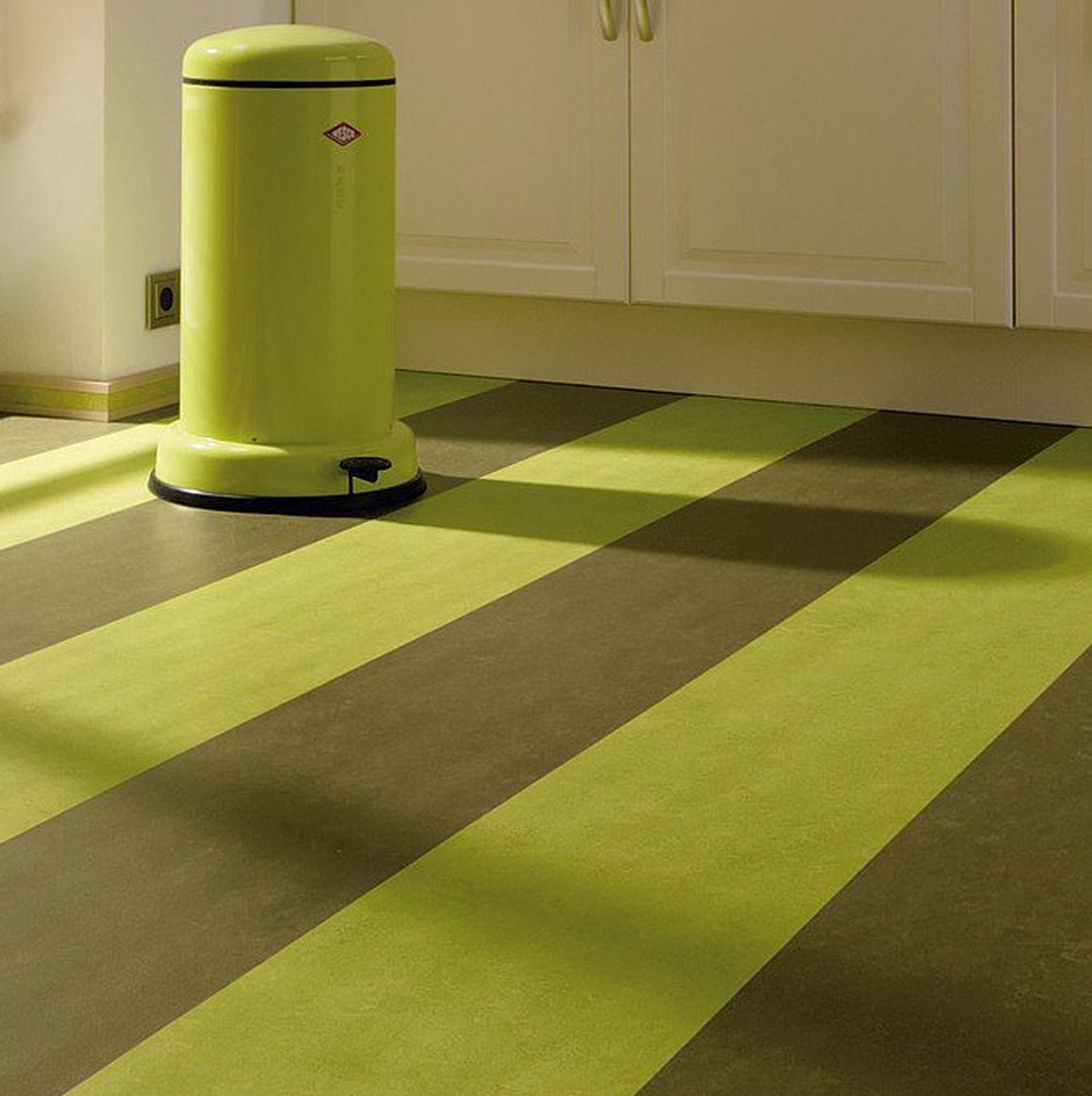
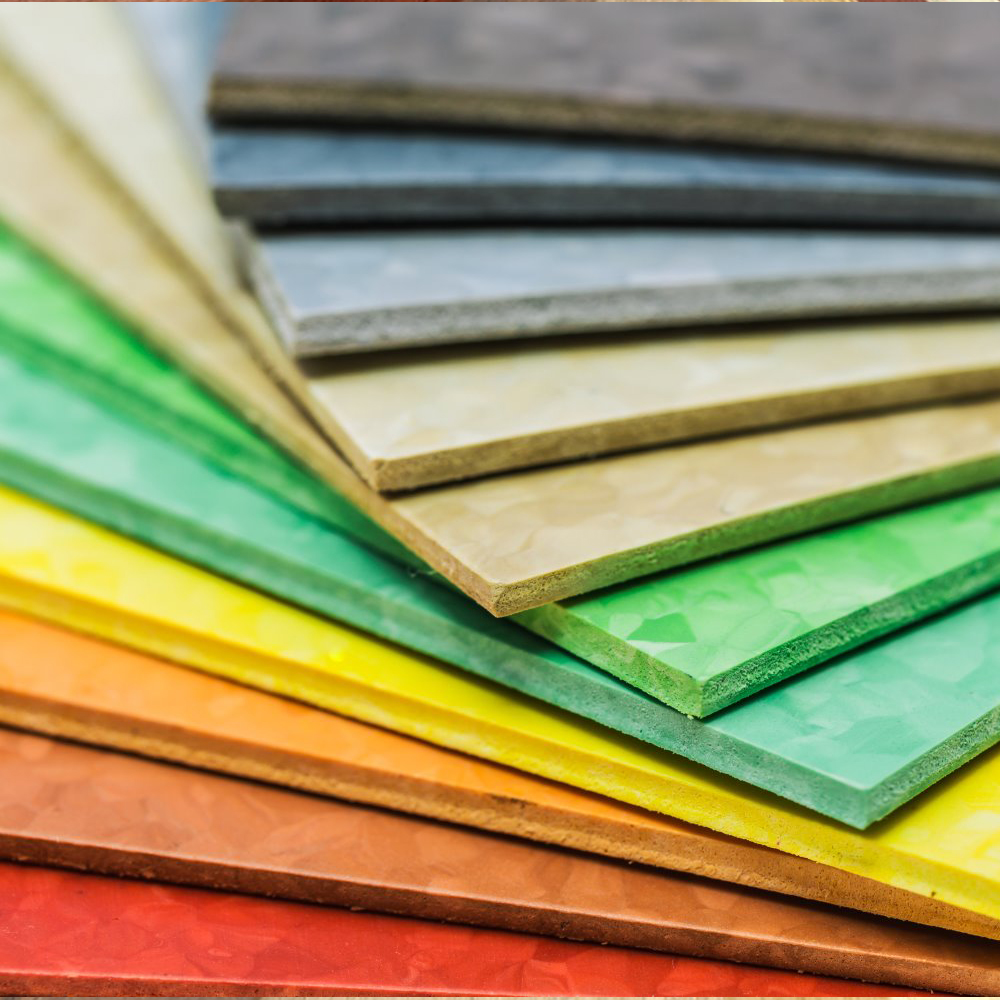
Linoleum flooring is available in a wide range of colors and patterns and can even be produced in custom designs. It can be installed as sheet material or tiles, depending on user preferences and room requirements.
Easy Maintenance:
Linoleum floors are relatively easy to clean and usually only require regular sweeping and mopping to keep them clean. They can also be polished to maintain their shine and remove minor scratches.
Hypoallergenic:
Because linoleum flooring is made from natural materials, it is often hypoallergenic and a good choice for allergy sufferers. It does not tend to attract or retain dust and allergens.
DISCOVER OUR SERVICES